
What Really Happens After You Eat "Healthy" Foods
Your body does not read labels. A glass of juice, a handful of raisins or a bowl of muesli can push blood glucose up in ways that many people genuinely do not expect — even if the packaging says otherwise.
Find Out More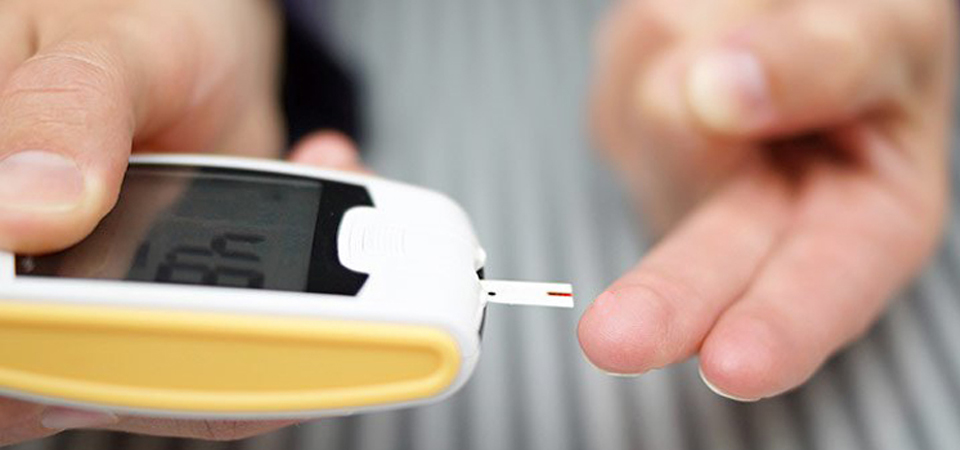
Why Food Packaging Does Not Tell the Whole Story
Words like "natural", "no added sugar" and "wholesome" describe how a food is made or where it comes from — not how your body responds to it. Two products can look very similar on a shelf and produce very different blood glucose responses.
The main thing that determines how fast blood glucose rises after eating is the speed at which carbohydrates are broken down into sugar and absorbed. Fibre slows this down. Removing fibre — through juicing, drying or heavy processing — speeds it up significantly, regardless of how natural the original food was.
This page provides general educational content only. For guidance specific to your health situation, please speak with a qualified doctor or registered dietitian.
What Happens Inside Your Body After a High-GI Meal
This is a simplified picture of how blood glucose behaves after eating something that absorbs quickly — like juice, dried fruit or sweetened cereal.
You eat — digestion begins immediately
Carbohydrates begin breaking down in the mouth and stomach. High-GI foods like juice or honey have very little fibre to slow this process.
Blood glucose begins to rise quickly
Sugar reaches the bloodstream fast. Glucose levels start climbing noticeably — sometimes significantly within just 15–20 minutes of eating.
Glucose peaks — the body responds
Blood glucose reaches its highest point. The pancreas releases insulin to move sugar out of the blood and into cells.
Glucose drops — hunger returns
After a rapid spike, blood sugar can fall just as quickly. This drop is often what causes tiredness, difficulty concentrating or cravings for more food within an hour of eating.
Low-GI meals produce a much gentler curve
Meals that include fibre, protein and healthy fat slow sugar absorption. Glucose rises more gradually, stays steadier and falls gently — leaving you feeling satisfied and energised for longer.
Five Foods That Often Catch People Off Guard
These are everyday staples — not junk food. What makes them worth paying attention to is the gap between how they are perceived and how they are actually processed by the body.
Freshly Squeezed Juice
Pressing fruit removes the pulp and fibre that would normally slow digestion. The sugar left behind is absorbed almost immediately. Even a small glass of "pure" juice can produce a pronounced blood glucose spike.
Dates & Dried Apricots
Drying fruit concentrates its natural sugars significantly. Dates in particular have a very high sugar content per piece. They are nutritious in small amounts but easy to overeat — and their effect on blood glucose reflects that concentration.
Sweetened Breakfast Cereals
Many cereals and oat bars labelled as "natural" or "high-fibre" contain significant amounts of added honey, syrups or sugar. The fibre content is often not enough to offset the added sweeteners — a fact that is easy to miss without reading the label.
Boiled Potato & Starchy Veg
Starchy vegetables that have been boiled or mashed — potato, beetroot, parsnip — digest far faster than their raw counterparts. Cooking breaks down starch into a form the body absorbs rapidly, making portion size and accompaniments particularly important.
Fruit-Flavoured Low-Fat Yoghurt
Removing fat from yoghurt tends to leave a product that tastes bland, so manufacturers compensate with added sugars or starch. A fruit-flavoured low-fat pot can contain more sugar than a small chocolate bar — which surprises many people who buy it as a healthy snack.
Small Habits That Make a Genuine Difference
Understanding that some foods cause faster glucose rises is only useful if it leads to practical changes. Fortunately, the adjustments required are quite simple and do not involve cutting out entire food groups.
Eating whole fruit instead of juice, choosing plain yoghurt over flavoured low-fat versions, and adding a source of protein to starchy meals are all straightforward switches. None of them require specialist knowledge or special products — just a little awareness of what you are putting on the plate.
The most important thing is to eat in a balanced way over time, rather than focusing too heavily on any single meal or ingredient. For personalised dietary advice, always consult a qualified healthcare professional.
Understanding Sugar on a Food Label
One of the most confusing aspects of food labelling is that sugar appears under many different names. Glucose, fructose, sucrose, maltose, dextrose and corn syrup are all forms of sugar — and they all behave similarly once inside the body. A product can truthfully say "no added sugar" while still containing several of these ingredients naturally.
The total sugars figure on a nutrition label covers all sources of sugar in a product — both natural and added. When combined with the ingredients list, this gives a much clearer picture of what you are actually eating than the front-of-pack claims alone.
Becoming familiar with reading labels is a practical skill that takes very little time to develop but can change how you approach everyday shopping in a meaningful way. This is general information for educational purposes — always consult your doctor or dietitian for guidance tailored to you personally.
Experiences From Our Readers
"I used to make a large smoothie every morning with mango, banana and a splash of juice, thinking it was the ideal start to the day. After learning more about how these foods behave, I realised I was essentially drinking a very large amount of sugar first thing. Switching to whole fruit with plain yoghurt changed how I feel in the mornings noticeably."
— Pooja A., Chennai
"My father was told by his doctor to watch his diet more carefully. When we started looking at what he actually ate, we were surprised — the muesli, the honey in his tea, the dates he snacked on. All things we assumed were fine. Making a few quiet swaps helped him feel more steady through the day."
— Venkat R., Coimbatore
"I had always bought low-fat yoghurt because I thought it was the healthier option. When I finally checked the label, I found it had more sugar than the regular version. Plain yoghurt tastes perfectly good once you are used to it — and knowing what is actually in it makes the choice easier."
— Lakshmi N., Trichy
"I was always tired after lunch, which I put down to the heat or just a busy schedule. Once I started paying more attention to what was on my plate — specifically the portion of white rice and the sugary lassi — the afternoon tiredness reduced a great deal. I wish someone had explained this connection earlier."
— Mohan S., Madurai
"After a routine check-up showed my glucose was on the higher end of normal, my doctor suggested I look at my diet. The biggest surprise was how much of what I thought of as healthy eating was actually contributing to the issue. Small, gradual changes made a real difference over the following months."
— Ananya K., Bengaluru
"I started pairing my fruit with a small handful of almonds after reading about how combining foods changes the glucose response. The difference in how long I felt satisfied afterwards was genuinely noticeable. It is a simple thing, but it made a real practical difference to how I structure my day."
— Prasad V., Hyderabad
Ask Us Anything
We Are Here to Help
If you have a question about anything on this site — blood glucose, food choices or general nutrition — please feel free to get in touch.
Email:
hello (at) fororux.icu
Phone:
+91 44 2857 3061
Address:
52, Anna Salai, Chennai 600002, Tamil Nadu, India
Common Questions
Why does blood glucose drop quickly after a sugary meal?
When blood glucose rises sharply, the pancreas releases a large amount of insulin to bring it back down. This response can sometimes be stronger than needed, causing glucose to fall below where it started. This is often what causes the tiredness, brain fog or sudden hunger that some people notice about an hour after a high-sugar meal — sometimes called a "sugar crash".
Are all natural sweeteners problematic for blood glucose?
In large amounts, yes — most natural sweeteners (honey, agave, maple syrup, coconut sugar) affect blood glucose in ways that are quite similar to ordinary sugar. They differ slightly in their exact composition and mineral content, but the blood glucose impact of consuming significant quantities is broadly comparable. Using small amounts as part of a balanced meal is less of a concern than using them freely as a substitute for sugar.
Is this information a replacement for medical advice?
No. Everything on this site is provided for general educational purposes only. It is not intended to diagnose any condition or replace the personalised advice of a qualified healthcare professional. If you have concerns about your blood glucose, your diet or your general health, please speak with your doctor or a registered dietitian who can provide guidance based on your individual circumstances.